


Early Intervention Services
If your child is eligible for the New York State Early Intervention Program, your Individualized Family Service Plan (IFSP) team will work with you to decide which services are right for your child and family. Every child is different, so not every child will receive the same services.
Early Intervention services may include:
Assistive Technology
Assistive technology includes devices, equipment, or other tools that help your child communicate, move, learn, play, or take part in everyday activities.
Audiology
An audiologist can evaluate your child's hearing, identify hearing concerns, and recommend supports or services if needed.
Family Training, Counseling, Home Visits, and Parent Support Groups
These services help families learn more about their child's development and build confidence in supporting their child's learning during everyday routines. Families may also receive counseling, connect with community resources, or meet other parents who are on a similar journey.
Health Services
Health services help your child benefit from Early Intervention services when they have medical needs. Examples may include:
- Giving medications prescribed by your child's healthcare provider.
- Caring for feeding tubes, tracheostomies, or other medical equipment.
- Monitoring your child's health during Early Intervention visits when medically necessary.
Health services do not include routine medical care or regular visits to your child's doctor.
Medical Services for Diagnostic or Evaluation Purposes
Medical services may be provided by a physician to help determine your child's developmental needs or assist with an Early Intervention evaluation.
Nursing
Nursing services help meet your child's medical needs so they can safely participate in Early Intervention services.
Nutrition
A nutritionist can help if your child has difficulty eating, gaining weight, or getting the nutrition they need to grow and stay healthy.
Occupational Therapy
Occupational therapists help children develop the skills they need for everyday activities like playing, eating, dressing, using their hands, and becoming more independent.
Physical Therapy
Physical therapists help children build strength, balance, coordination, posture, and movement skills for activities such as rolling, sitting, crawling, standing, walking, and running.
Psychological Services
Psychological services help evaluate your child's development, behavior, learning, and social-emotional skills. A psychologist may also work with families to support their child's development.
Respite Services
Respite services provide short-term care for your child when the IFSP team determines that your family would benefit from temporary relief from caregiving responsibilities.
Service Coordination
Your Service Coordinator helps guide you through the Early Intervention Program. They answer your questions, coordinate services, help connect you with resources, and make sure your child's IFSP is carried out.
Sign Language and Cued Language Services
These services help children who are deaf or hard of hearing communicate with others and support families in learning effective communication strategies.
Social Work
A social worker can provide counseling, help connect your family with community resources, and support you in finding services that meet your child's and family's needs.
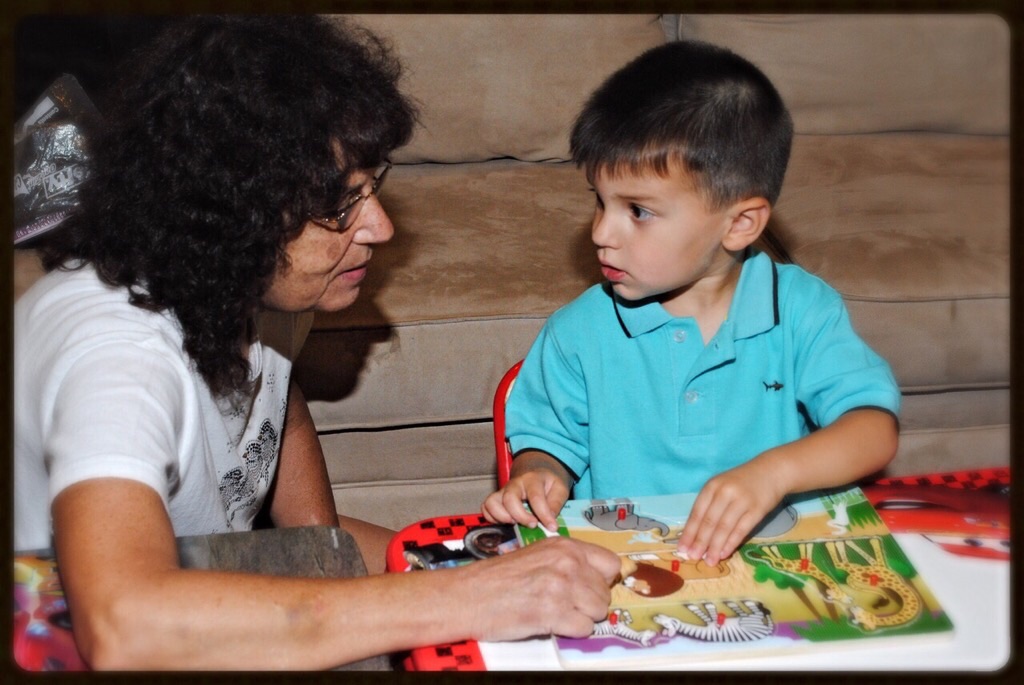
Special Instruction
A special instructor works with you and your child to help build developmental skills through play and everyday routines such as mealtime, bath time, reading, and playtime.
Speech-Language Pathology
Speech-language pathologists help children develop speech, language, communication, feeding, and swallowing skills.
Transportation
Transportation and related travel costs may be provided when they are necessary for your child to receive approved Early Intervention services.
Vision Services
Vision services help evaluate how your child uses their vision and support the development of visual skills needed for everyday activities. Vision specialists also work with families to encourage visual development during daily routines.
For more information visit NYS Department of Health Bureau of Early Intervention at https://www.health.ny.gov/community/infants_children/early_intervention/